Georgian Wine 101: Saperavi, Qvevri Wines, and the Best Pairings with Georgian Food
Let’s Chama! If Georgian wine had a mission, it wouldn’t be to impress—it would be to connect. To connect people to the table, to memory, to conversation, and to one another.
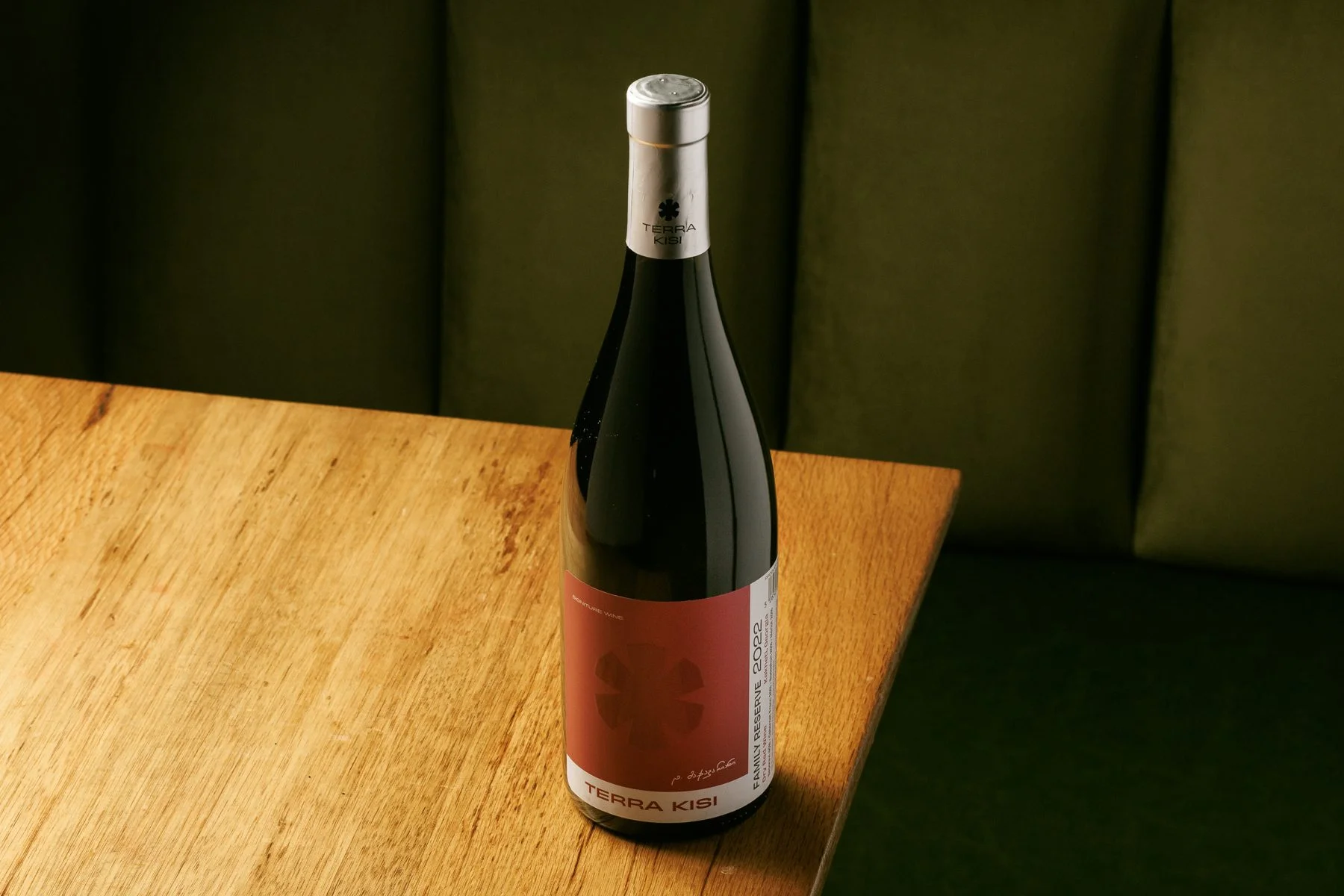
Georgian Wine: A Living History, Not a Footnote
Georgia—Sakartvelo—holds more than 8,000 years of uninterrupted winemaking history. Wine in Georgia is not a product—it is heritage. Long before wine labels, tasting notes, or scoring systems existed, Georgians were fermenting grapes underground and building social rituals around the act of drinking together.
What makes Georgian wine extraordinary is not only its age, but its continuity. The techniques, grape varieties, and rituals surrounding wine never disappeared. They adapted, evolved, and remained central to daily life. Wine became inseparable from hospitality, identity, and storytelling.
What this means at the table: Georgian wine doesn’t ask for quiet contemplation. It asks you to pull up a chair.

Qvevri Wine: Where the Earth Does the Talking
Before tasting Qvevri wine, it helps to understand that this is not a technique—it’s a worldview. Qvevri winemaking is rooted in patience, trust in nature, and respect for the land.
What Is Qvevri Wine? Qvevri are large, egg-shaped clay vessels buried underground, where wine ferments and ages naturally. Grapes—often including skins, seeds, and stems—are placed inside and sealed, allowing fermentation to unfold slowly, guided by the earth’s stable temperature.
How Qvevri Wines Taste: Expect textured, layered wines. White grapes fermented with skins produce amber tones, tannins, and savory complexity—dried fruit, tea, herbs, nuts, and earth.
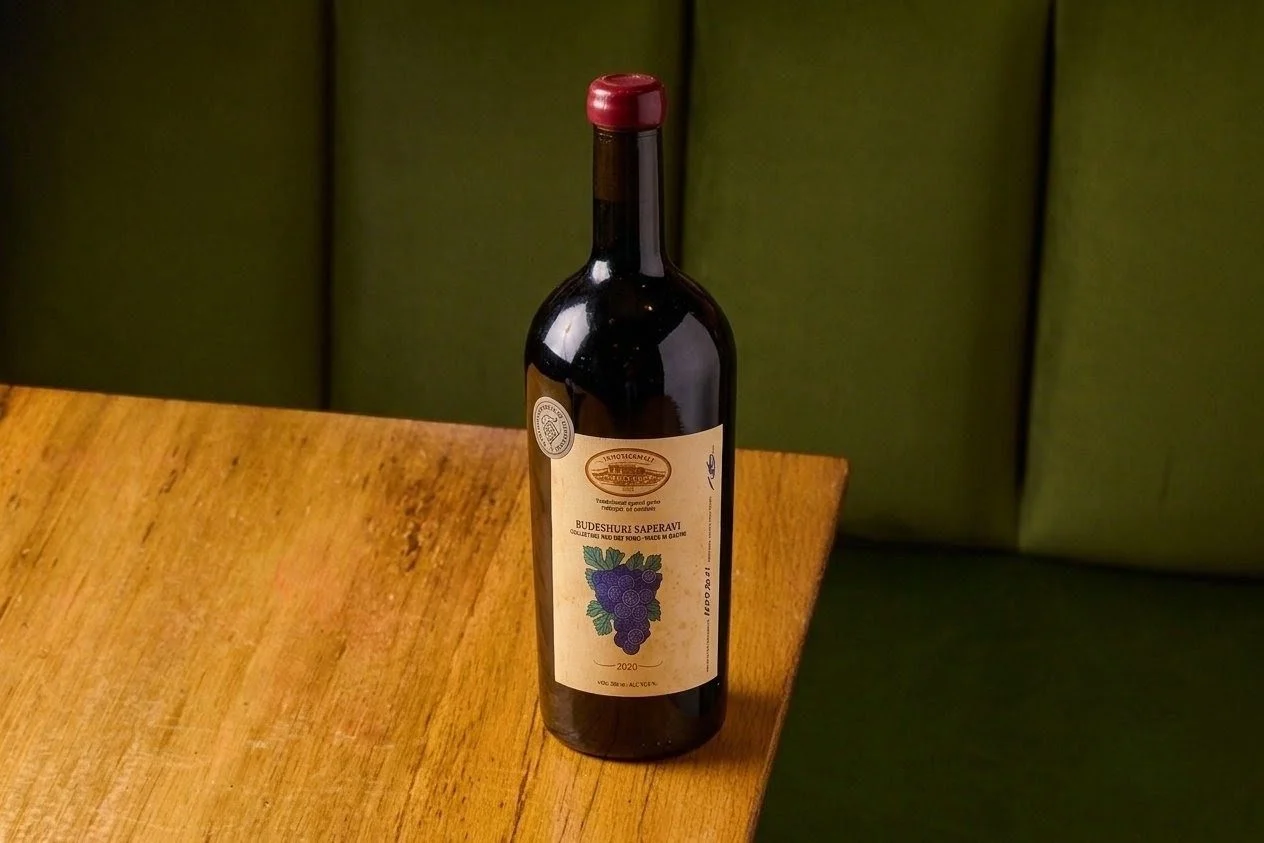
Saperavi Wine: Power, Depth, and Georgian Soul
Saperavi is not a wine that tries to please everyone—and that’s exactly its strength. Bold yet balanced, powerful yet grounded, it carries the intensity and emotional depth of Georgian culture in every glass.
Why Saperavi Is Different: As a teinturier grape, Saperavi has dark skin and dark flesh, resulting in deeply colored wines with serious structure and intensity. But power alone doesn’t define Saperavi. Balance does.
What to Expect: Black cherry, plum, blackberry—layered with earth, spice, sometimes smoke. High acidity keeps it vibrant, and firm tannins help it stand up to rich food.
In one line: Confident, grounding, and built for the long table.

Wine Pairing with Georgian Food: Built Together, Not Matched Later
Georgian wine and Georgian food evolved side by side. That’s why the pairings feel intuitive rather than forced—shaped by the same land, climate, and communal rhythms.
Khinkali and Wine
Light-bodied Saperavi or dry amber Qvevri wines balance the richness and refresh the palate without overpowering the broth.
Khachapuri and White/Amber Wines
Crisp whites or skin-contact Qvevri wines cut through cheese richness, adding grip and brightness.
Grilled Meats and Saperavi
Tannins meet fat, acidity meets fire—an effortless match with smoky char and richness.
Vegetables + Walnut Sauces
Amber Qvevri wines echo herbs, garlic, and walnut depth—harmony rather than contrast.

Supra: Where Wine Becomes a Social Language
In Georgia, wine is never just poured—it is spoken. The supra transforms wine into a shared language, guided by toasts that give meaning to each sip.
A supra is not simply a meal—it’s a cultural ceremony. Shared plates, flowing wine, and guided toasts led by the tamada weave a collective narrative that binds the table together.
Georgian wine tasting, the Chama way: Interactive, expressive, and deeply human—no prior expertise required. Just curiosity and appetite.
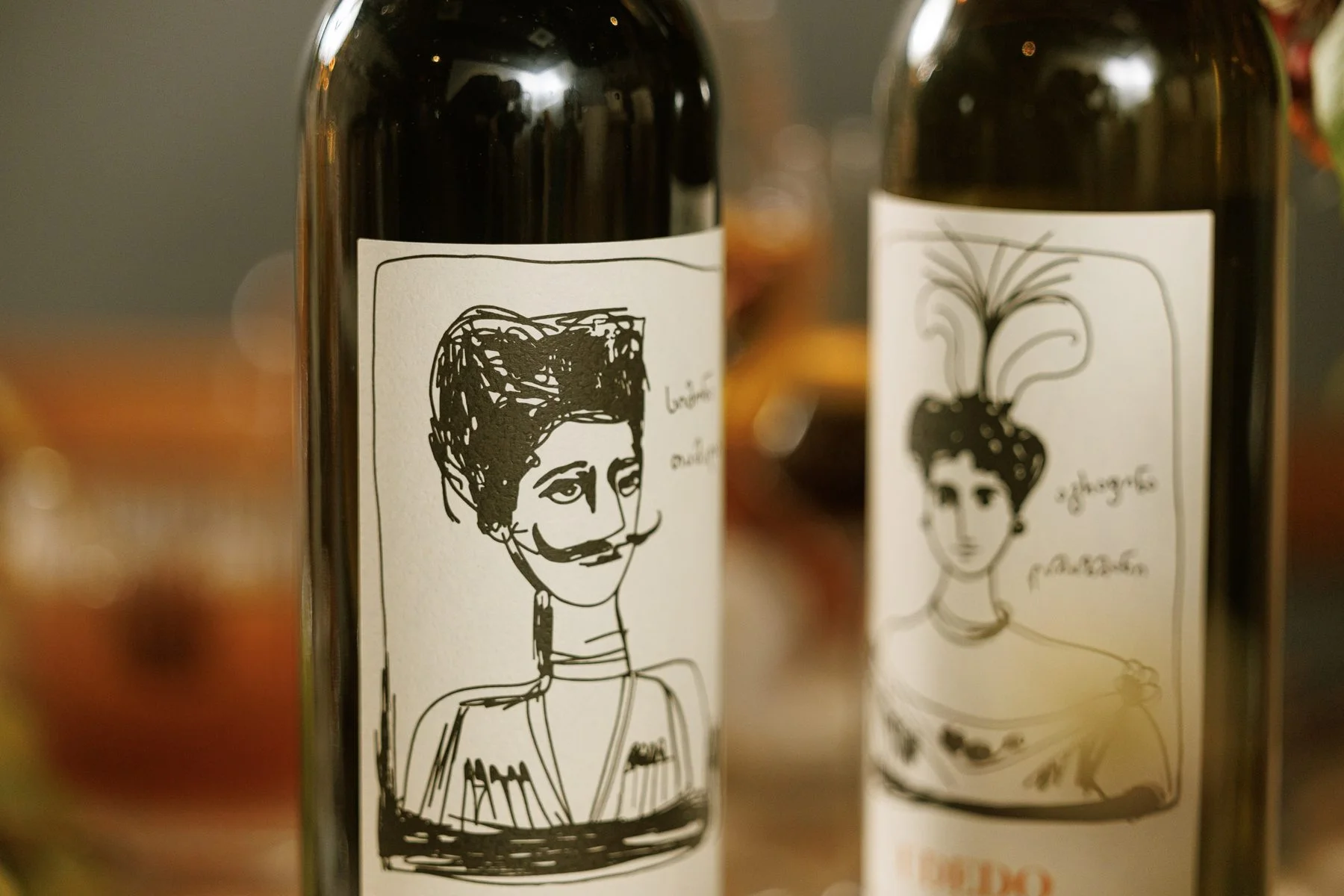
Georgian Wine NYC: Why Chama Mama Is Different
New York City is filled with wine lists, but Georgian wine requires more than availability—it requires understanding. Chama Mama approaches Georgian wine not as a trend, but as a responsibility.
Born in NYC and rooted in Sakartvelo, Georgian wine is presented with care, respect, and narrative—never detached from the food or the people who made it.
Gather around our table to hear the stories that inspire and flavors that fill the soul.
Welcome to Chama Mama. Let’s Chama. Gaumarjos!


